996: Where Creativity Goes to Die
Why enduring, resilient, and creative startup cultures come from autonomy, competence and community...not forced hours.
October 30, 2025
I owe one of the most consequential turning points of my life to feeling bored on a bus.
About eight years ago, I was sitting in gridlocked traffic after a fourteen-hour workday in the lab during my aerospace engineering PhD. The entire city was at a standstill, one of those inexplicable traffic jams where no one moves and no one knows why.
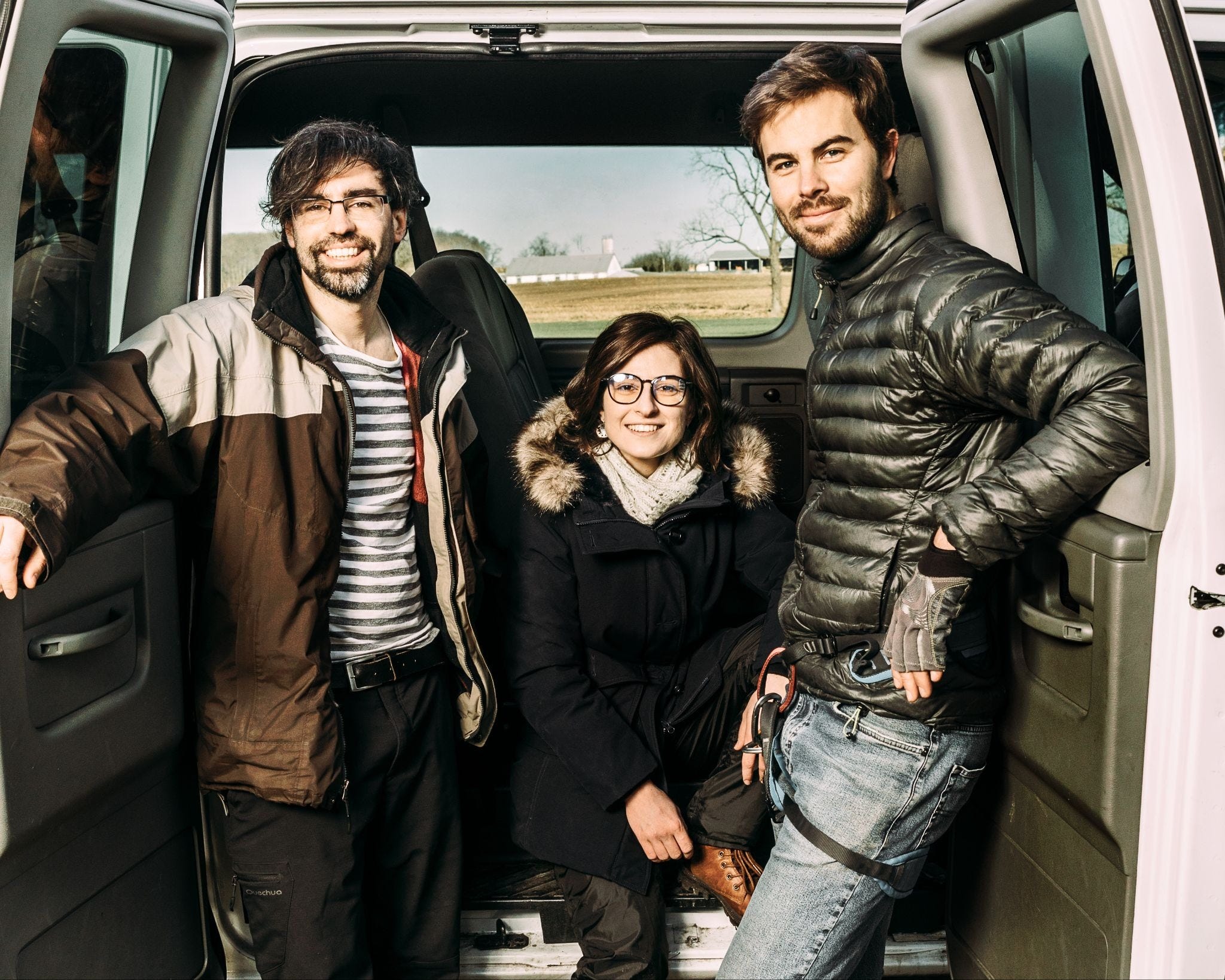
As I sat there, frustrated and exhausted, commiserating with one of my classmates (and soon-to-be cofounder) about PhD life and earth observation, we started questioning everything we knew about urban planning and how decisions were made using satellite imagery.
We kept coming back to a simple question: What if we could monitor things from a higher perspective and in real time? Not just as snapshots, but as a continuous picture of our ever-changing planet, especially our dynamic cities.
That moment of stillness, that traffic jam, sparked an idea that would become Near Space Labs.
Most of my education and professional life was defined by long hours. And I loved it. I was deeply committed, energized by progress, and hungry to learn. Looking back, I probably could have been gentler with myself, but that sense of purpose made the work meaningful.
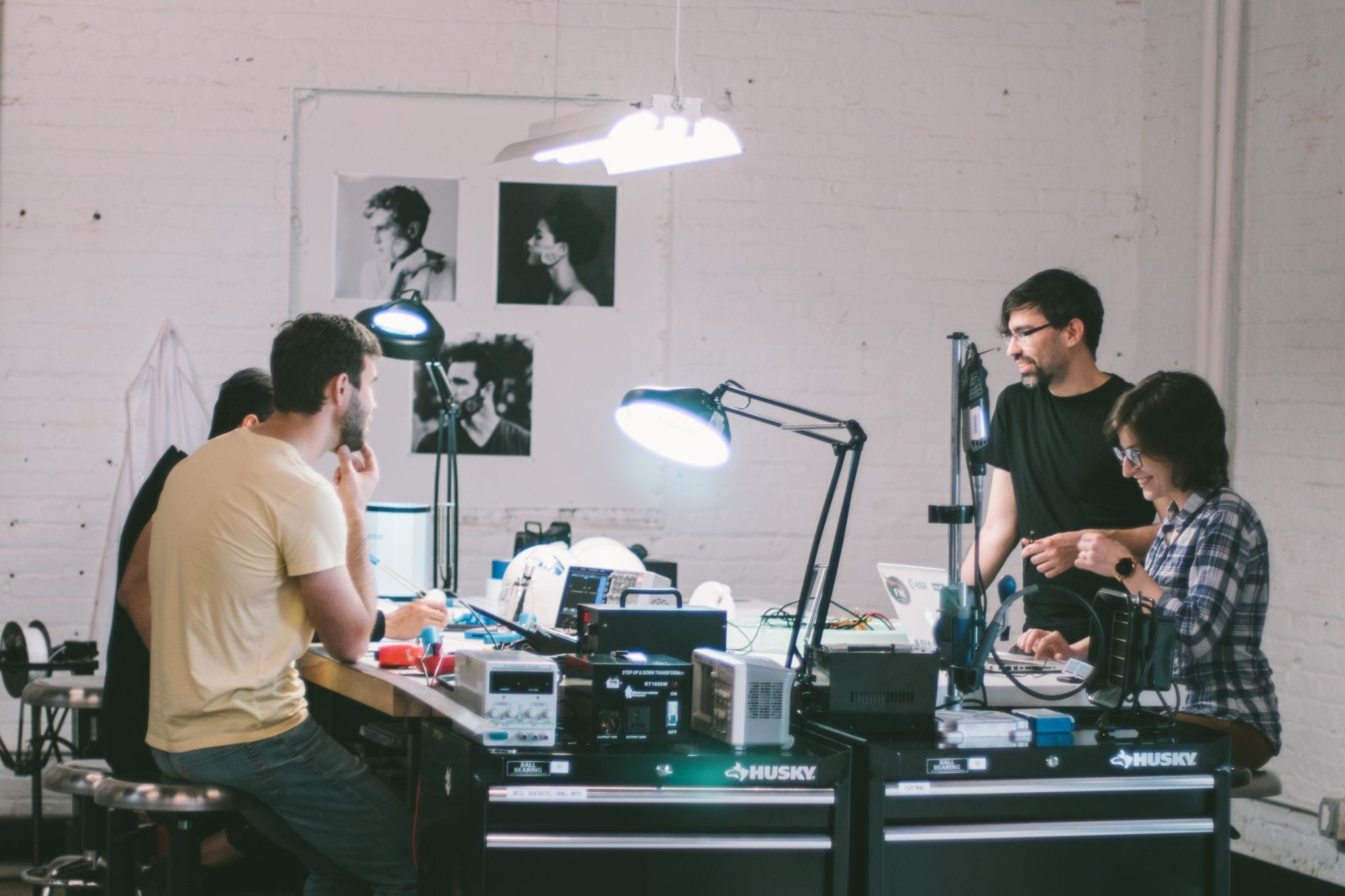
This is exactly why I believe 996, the controlling culture of working from 9 a.m. to 9 p.m., six days a week, is one of the most destructive ideas to ever take root in the startup world.
At first glance, 996 looks like dedication. But it’s actually a system of control disguised as passion. The schedule is fixed, the expectations are hitting hours and not meeting goals, and the message is clear. It leaves no space for exploration, recovery, or the kind of unstructured time where original thinking happens. Plus, it’s a nearly impossible schedule for parents or guardians, who already balance the enormous (and wonderful) responsibility of raising children.
In psychological terms, 996 is a form of controlled motivation as defined by psychologists Edward Deci and Richard Ryan, the kind that might get short-term results but erodes creativity, well-being, and ultimately, performance. In their framework of Self-Determination Theory, motivation flourishes when three basic psychological needs are met:
Autonomy: Feeling like you have choice and control over your actions.
Competence: Feeling capable and effective in what you do.
Relatedness: Feeling connected and supported by others.
996 undermines all three. It replaces choice with control, mastery with exhaustion, and connection with shared burnout. It’s an environment powered almost entirely by extrinsic motivation, fear, obligation, or guilt, the kind that might drive short-term compliance but never long-term excellence.
Startups are built on creativity and learning. In the face of uncertainty and high stakes, being able to learn quickly and come up with creative solutions is the only path forward. As Deci and Ryan wrote in 2009, “When the social context is more need-supportive and people are more autonomously motivated for learning, they learn in a deeper, more conceptual way. When the context is controlling, they may memorize facts, but show little true understanding.”
So, creativity requires trust, not surveillance. And time, the mental space to be bored, to let your brain connect dots you didn’t even know were related. It’s not the long hours themselves that are the problem; it’s the lack of choice behind them. Even the hardest stretches of work can be fulfilling when they come from personal commitment. That kind of intensity is self-directed and energizing.
True commitment, the kind that builds enduring companies and resilient people, can’t be forced. It has to be chosen. Freedom, trust, and autonomy aren’t luxuries for creative work. They’re prerequisites.
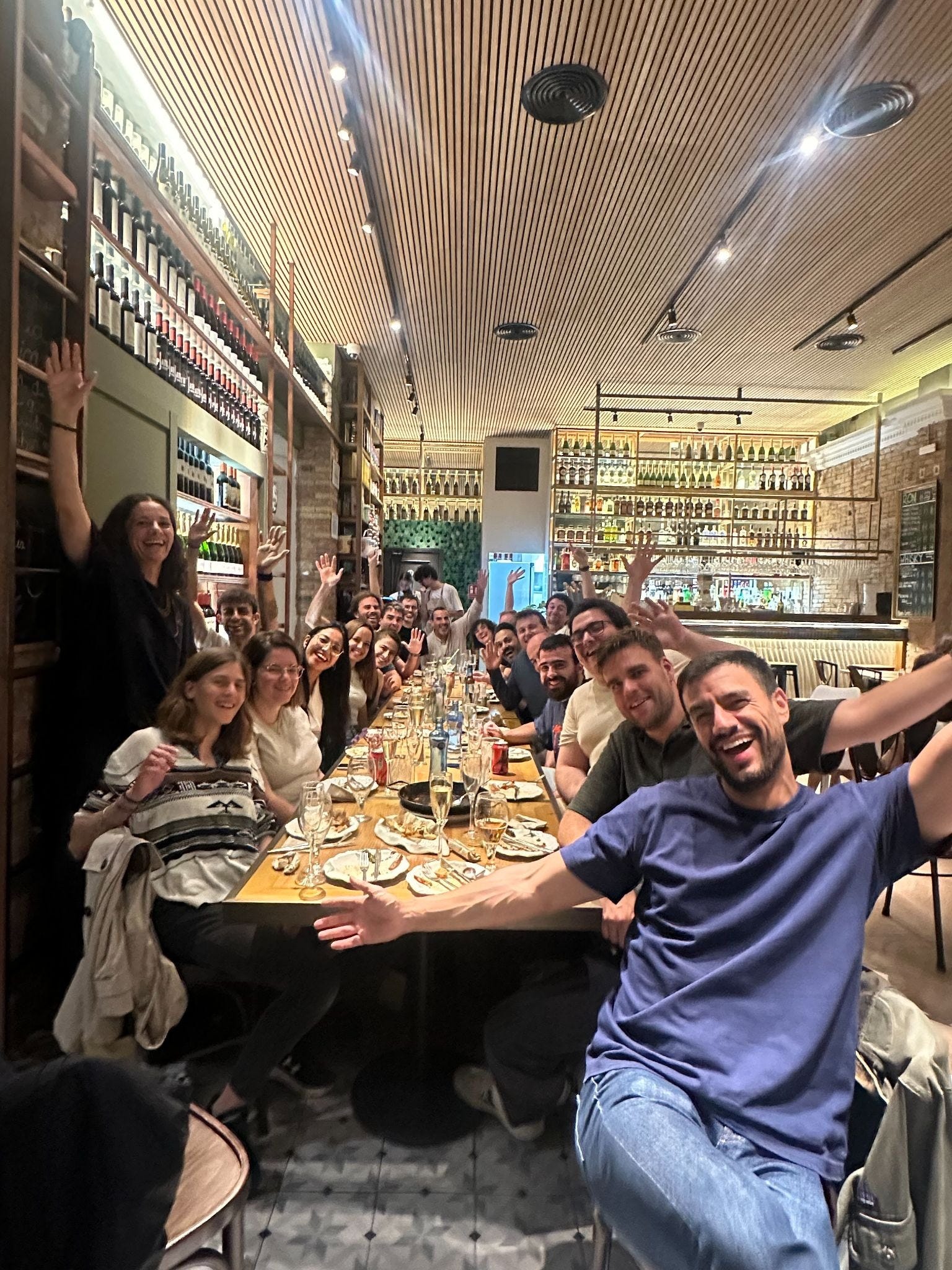
For me, work has always been a form of creative self-expression, a way to test ideas against the world. The 996 concept mistakes time for value. But real creativity is not linear. It comes in waves, bursts of focus, long stretches of reflection, and yes, moments of boredom.
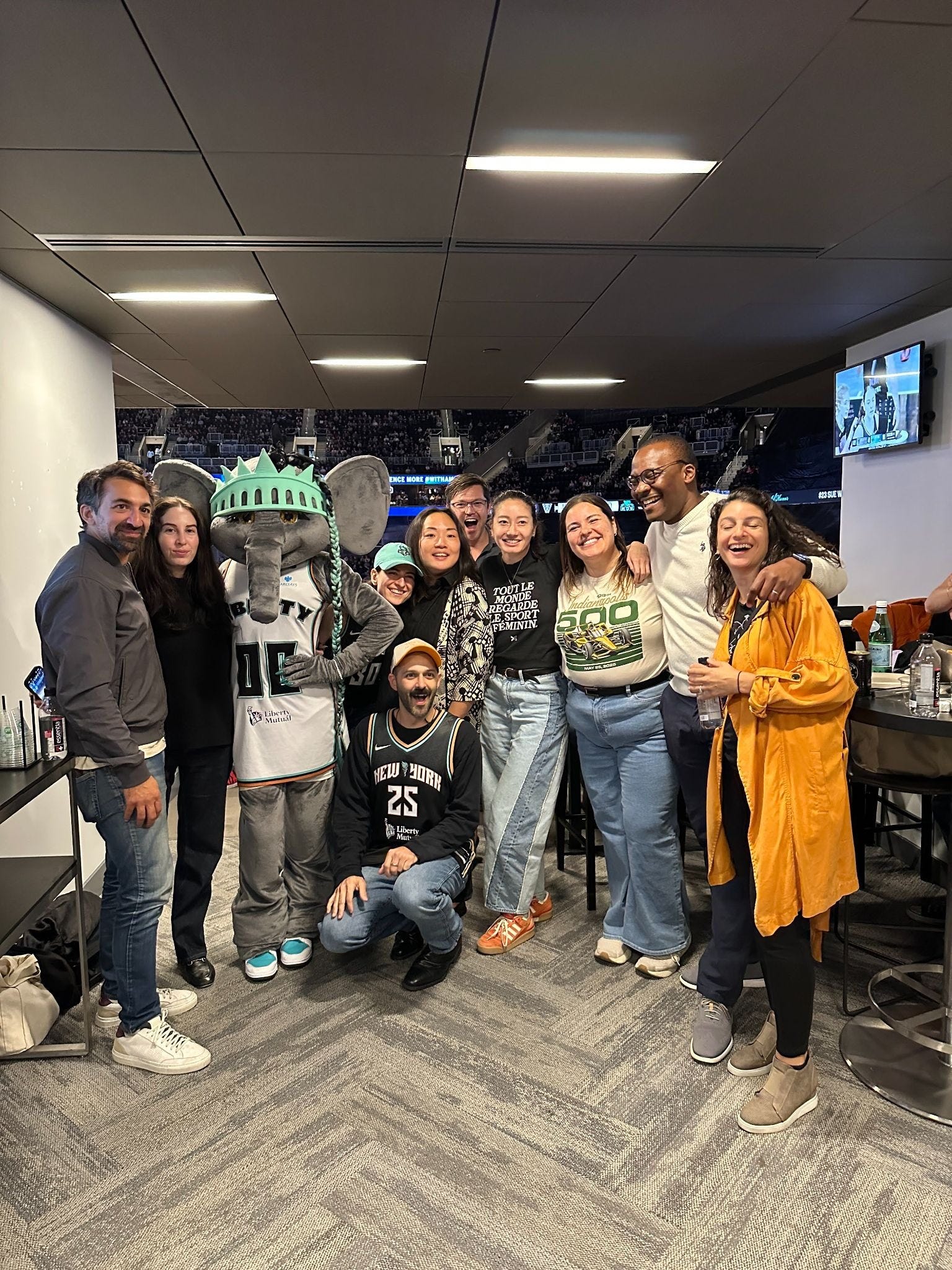
At Near Space Labs, that freedom looks like early morning powerlifting sessions. It looks like our CRO’s weekend surf sessions with his daughter. Our operations managers’ ultimate frisbee tournament. And NY Liberty games with the team.
Because if we want to build companies that invent the future, we have to give people enough space to imagine one.