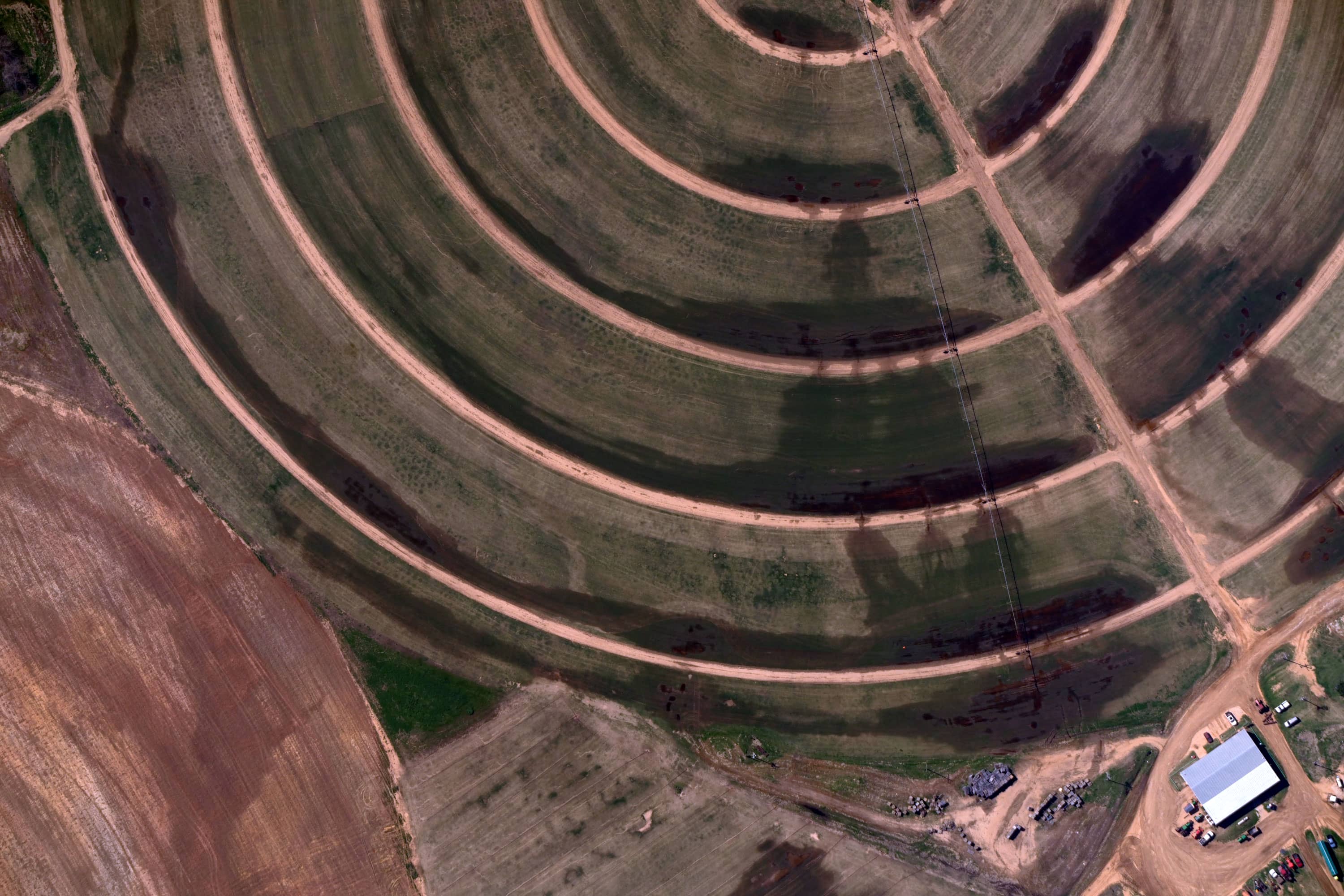
Aerial view of circular crop fields with dirt roads and a white-roofed building surrounded by parked vehicles.

Sustainability

Earth observation built for a changing planet

Resilience is about protecting what matters most: shelter, food, energy, and transportation. As weather events and environmental challenges become both more severe and more frequent, communities need geospatial data that can help them better identify, plan for, and mitigate risk.

Get a Demo
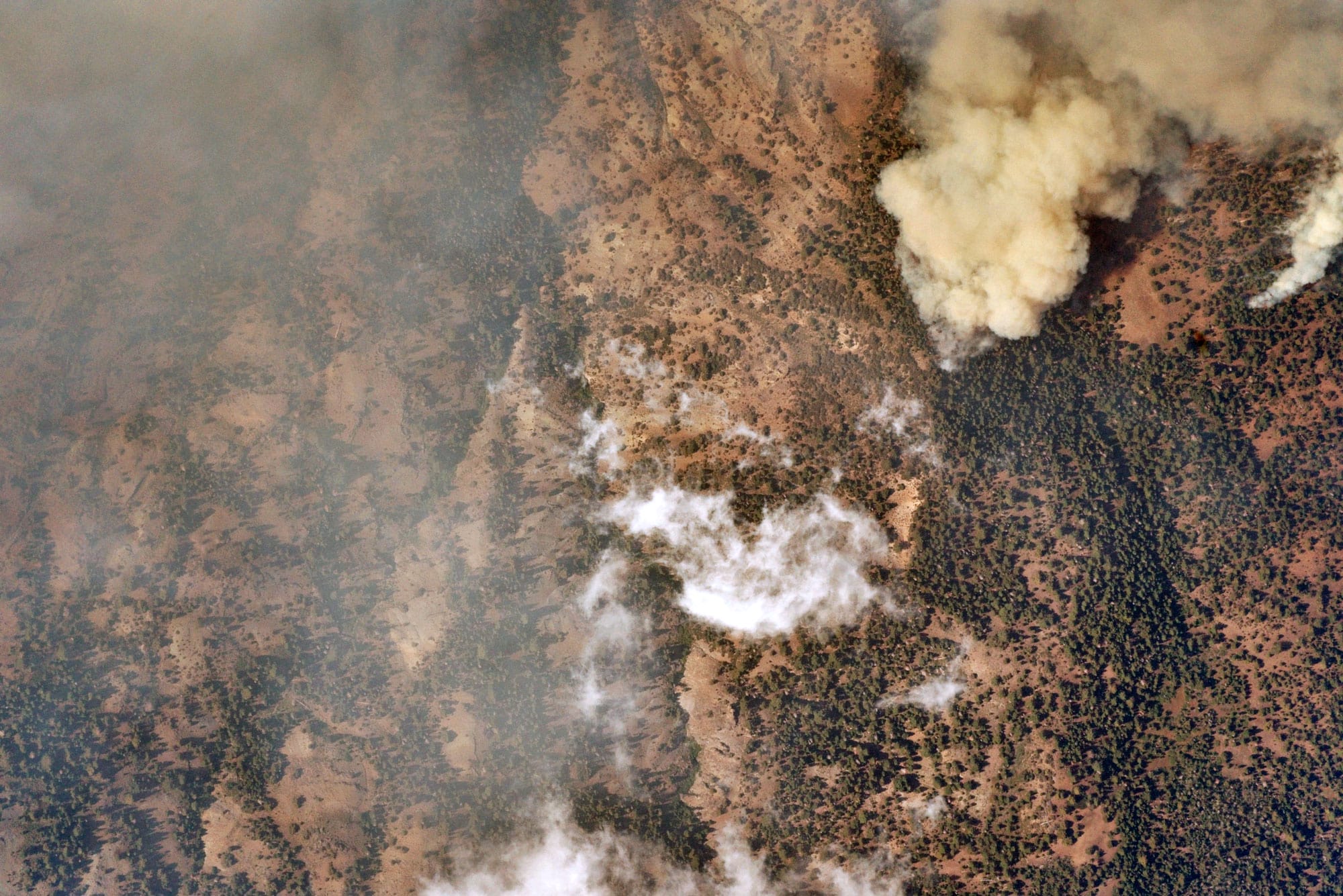
Aerial view of a wildfire with thick smoke rising above dry vegetation and scattered trees.

Why Now

A world where the basics can no longer be taken for granted

Severe weather events are rising in frequency and intensity. The systems communities depend on — shelter, food, energy, and transportation — are under mounting pressure. Properties are harder to insure. Infrastructure is aging faster than it's being maintained. Supply chains are being disrupted by 100-year events every year.

And the gap keeps growing between the truth on the ground and the information available from legacy data platforms.

Awareness should not be a luxury. By making frequent, high-resolution geospatial data cost-effective, Near Space Labs puts the power of knowledge in the hands of businesses and communities.

Resilience spans four fundamental needs

Shelter

Will my home withstand the next storm?
The insurance industry depends on accurate property data and risk modeling to underwrite policies, and to be there when things go wrong.

Food

Will my grocery bill stay the same?
Agricultural supply chains need consistent monitoring to track land use, crop health, and environmental factors that threaten food security.

Energy

Will my power stay on if wildfire risk is high?
Energy systems require vigilant monitoring to ensure they hold up to today's demands, and proactive planning to ensure they can meet future demands.

Transportation

Will I have a way to get to work tomorrow?
Transportation and logistics depend on infrastructure monitoring to maintain roads, plan routes, and adapt to changing environmental conditions.
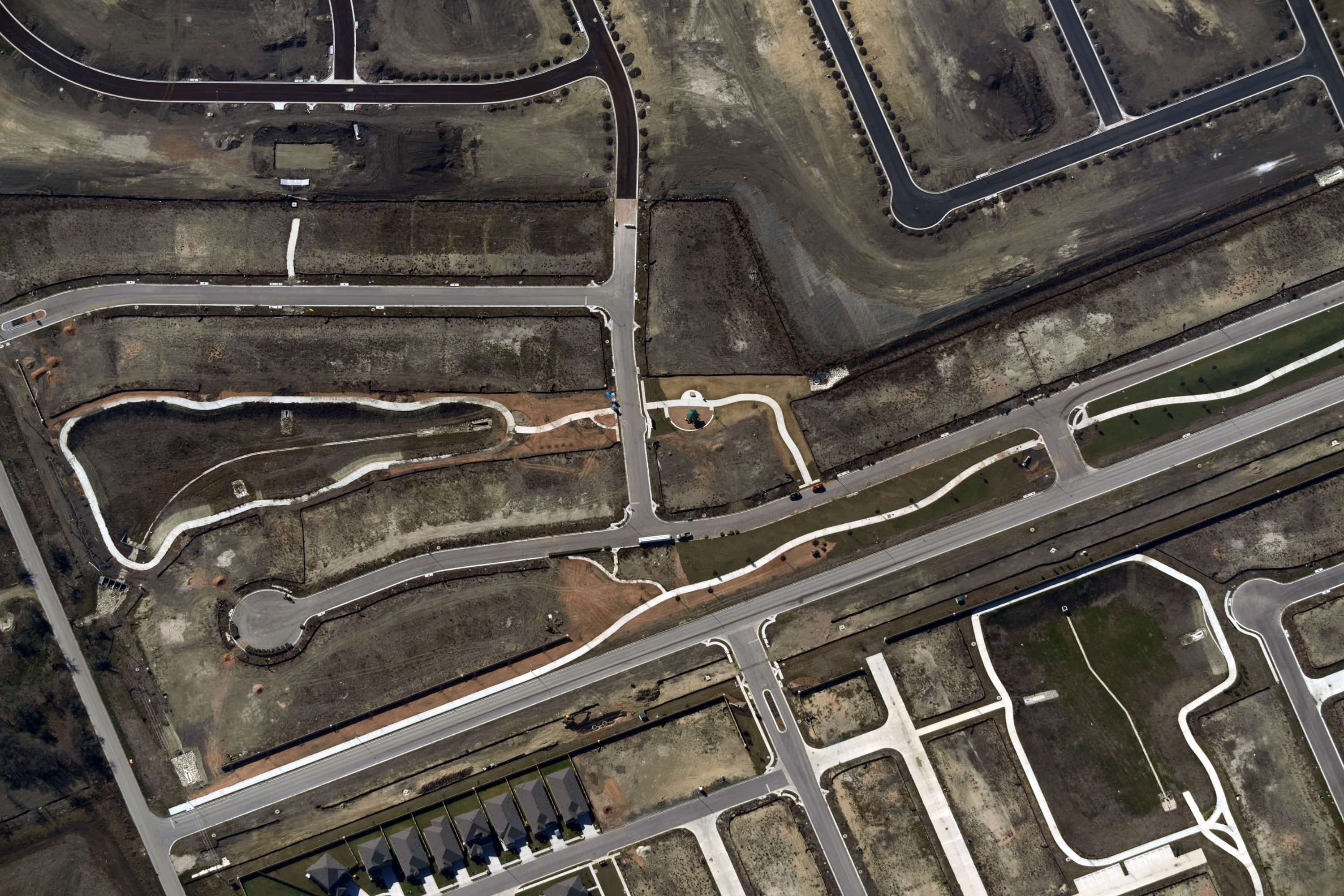
Aerial view of a partially developed suburban area with roads, sidewalks, curbs, and some houses constructed on empty plots of land.
Redefining what Earth observation should be.
Get a Demo