Climate Resilience Part 1: From Buzzword to Building Blocks
Defining what it means to truly be climate resilient
November 6, 2025
“Climate resilience” gets thrown around a lot these days.
It’s in headlines, pitch decks, and policy briefs. It’s become the catchall for anything related to surviving a warming planet. Because it’s become a catchall, we’ve lost the definition and the chance to unpack what it truly means to most people.
If you strip it down, the idea of resilience isn’t that abstract. It’s deeply human.
It’s about meeting and helping people with the most basic needs.
And more-so, preparing for change and building the systems that protect those basic needs before they’re at risk.
When you break climate resilience down to its core, it’s about shelter, food, power, and mobility.
Those four needs form the foundation of every community. They are also the foundation of entire industries:
Shelter: housing, infrastructure, insurance
Food: agriculture and supply chains
Power: utilities and energy transition
Mobility: transportation and logistics
For most people, climate resilience doesn’t sound like a strategy or a policy goal. It sounds like:
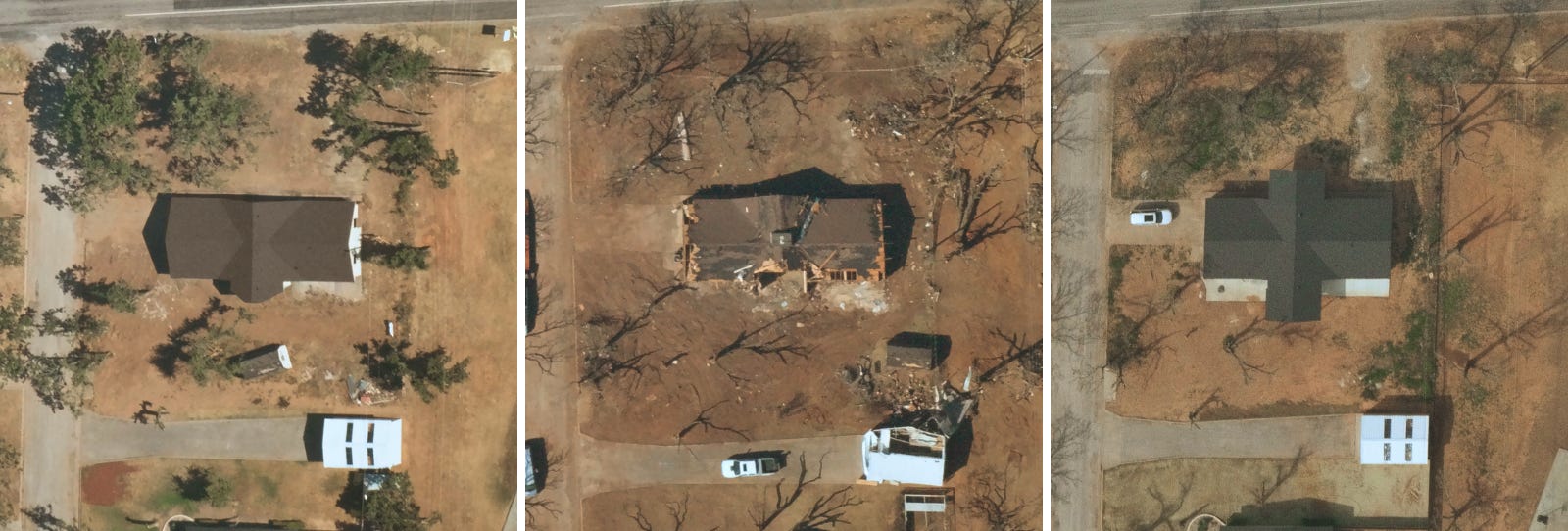
Will my home withstand the next storm? Will I be able to rebuild if there’s a fire?
Will my crops survive another drought?
Will my lights stay on in a heat wave?
Can I get to work tomorrow?
And when consumers start asking these questions, they are signaling what they value most: safety, reliability, and continuity. That creates space for innovation.
So why have I dedicated my career to climate resilience…because it isn’t just a humanitarian need. It’s a business opportunity.
Companies that build with resilience in mind, who understand shelter risk, secure food systems, modernize power, and protect mobility, are building the future economy.
When we think about resilience this way, it stops feeling like a buzzword. It becomes a blueprint that connects human need to market growth and compassion to competitiveness.
And that’s where Near Space Labs comes in. We are helping industries see change as it happens, building the visibility that makes resilience possible.
But more to come on that in Part 2!